
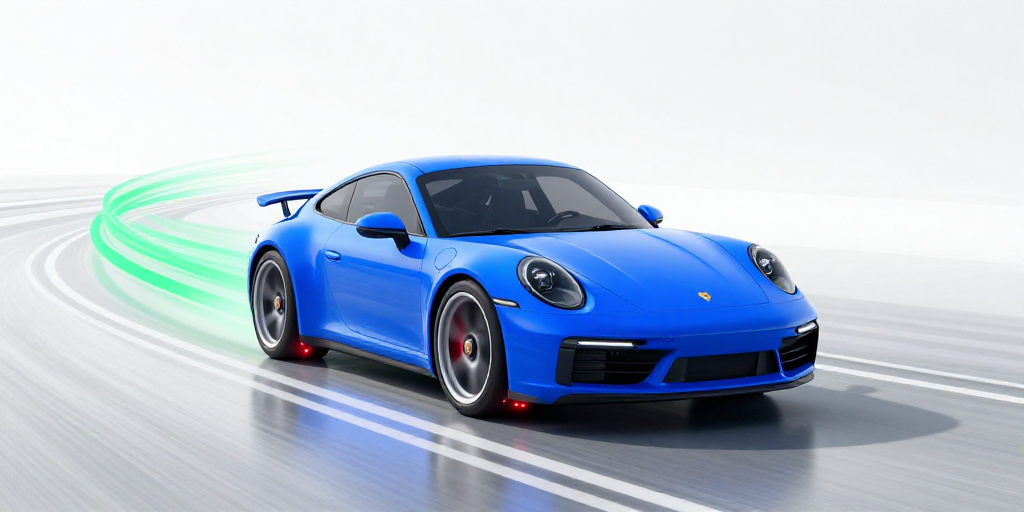
Porsche’s Q1 Outlook: A Strategic Pivot Amid Market Volatility
Dr. Ing. h.c. F. Porsche AG announced a modest decline in sales during the first quarter, with deliveries falling by roughly 15 % year‑over‑year. While this contraction reflects the broader macro‑environment, the company’s strategic focus on its high‑margin 911 line continues to underpin profitability.
911 Performance Outpaces Expectations
The 911 achieved a remarkable surge in demand, especially in the United States, where sales climbed more than 80 %. This momentum underscores the brand’s premium positioning and the resilience of its flagship product against cyclical pressure. In contrast, sales in China declined by about 20 %, highlighting the persistent challenges of that market and the likely escalation of restructuring costs.
Market Reaction and Investor Confidence
Investor sentiment responded favorably to the data. Porsche shares rallied approximately 4 % on the day of the announcement, breaking through the 200‑day moving average—a strong technical signal that the market perceives a bullish trajectory.
Analyst Consensus
Both UBS and Deutsche Bank maintained their neutral to overweight ratings. UBS, however, modestly revised its price target downward to account for structural vulnerabilities, notably the company’s exclusive European production model and exposure to U.S. import tariffs. Despite this, the consensus remains that the premium product mix and pricing strategy will continue to buffer Porsche from broader industry pressures.
Forward‑Looking Assessment
The company’s continued emphasis on the 911 line—an emblem of high margins—positions it well to navigate current headwinds. Simultaneously, the anticipated rise in China‑related restructuring costs signals an impending need for operational agility. By leveraging its robust global brand and disciplined cost structure, Porsche appears poised to sustain its competitive advantage while mitigating emerging market risks.